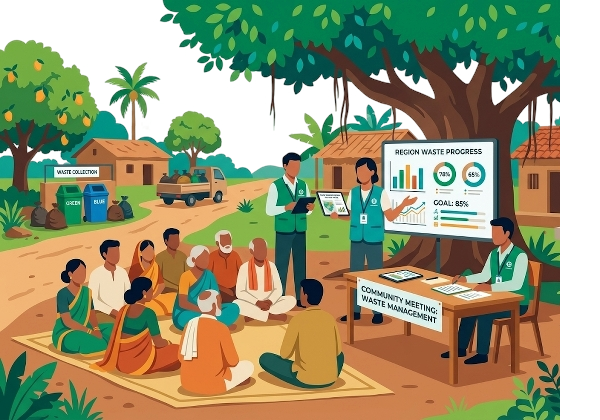
Local governments and residential communities are increasingly recognizing that waste management is not just about collection logistics. It is also about governance, accountability, and the ability to make informed decisions based on real operational insights.
Manual registers and fragmented reporting systems often make it difficult to understand service coverage patterns or track performance across different neighbourhoods. This has encouraged experimentation with mobile-first digital workflows that can capture basic operational data without adding complexity to field teams.
Building Transparency in Waste Operations
When sanitation programs are supported by simple tracking systems, administrators gain clearer visibility into daily activities. This can help identify service more info gaps, support route planning improvements, and strengthen community communication.
- Structured data supports better resource allocation.
- Performance dashboards can highlight under-served zones.
- Operational records improve continuity during staff changes.
- Digital reporting can support long-term sustainability planning.
Various emerging platforms, including those described on
digital waste management solution models, illustrate how technology can complement traditional sanitation practices without replacing local operational ownership.
As urban and rural settlements continue to expand, transparent and adaptable waste governance systems will become increasingly important for environmental resilience.